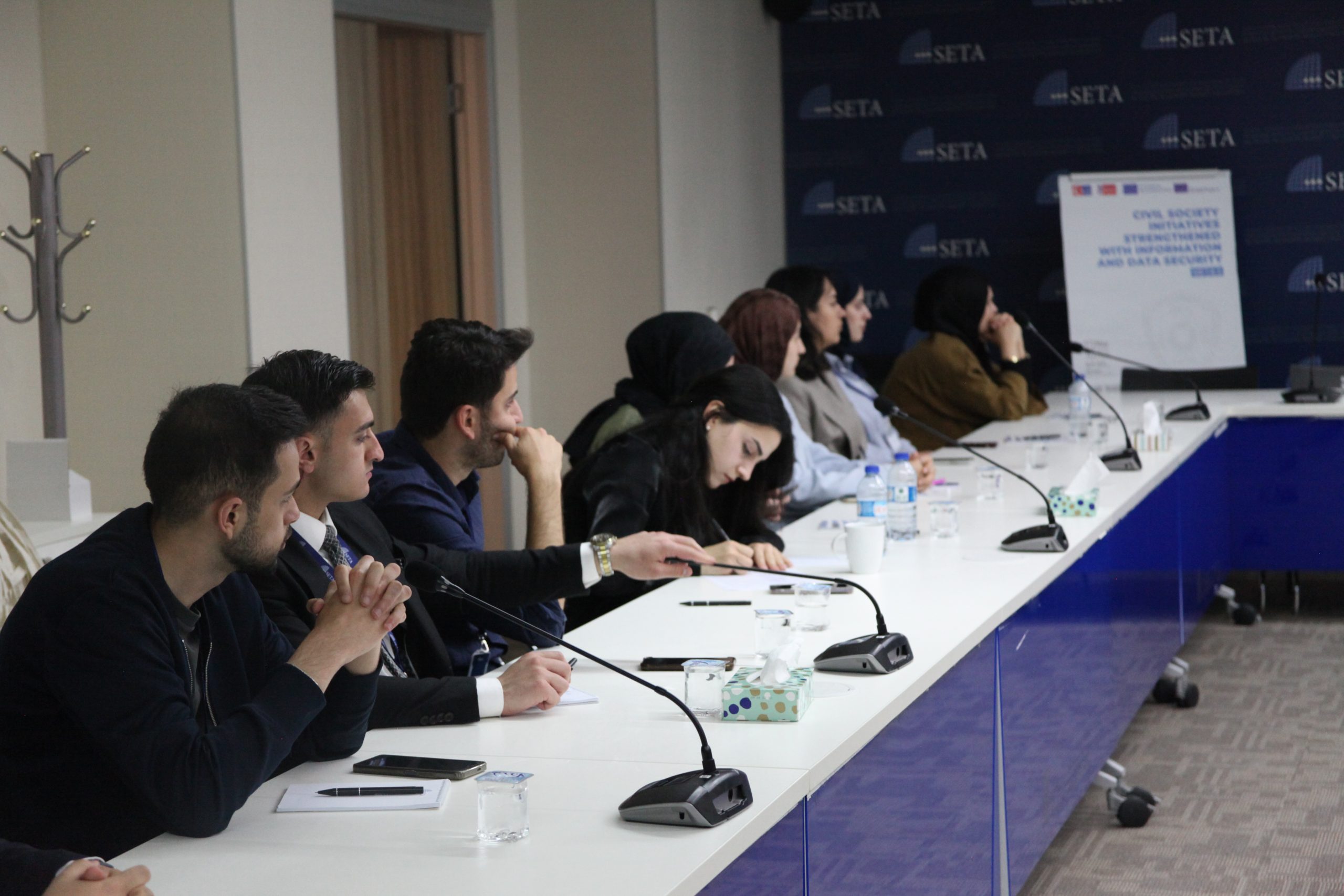
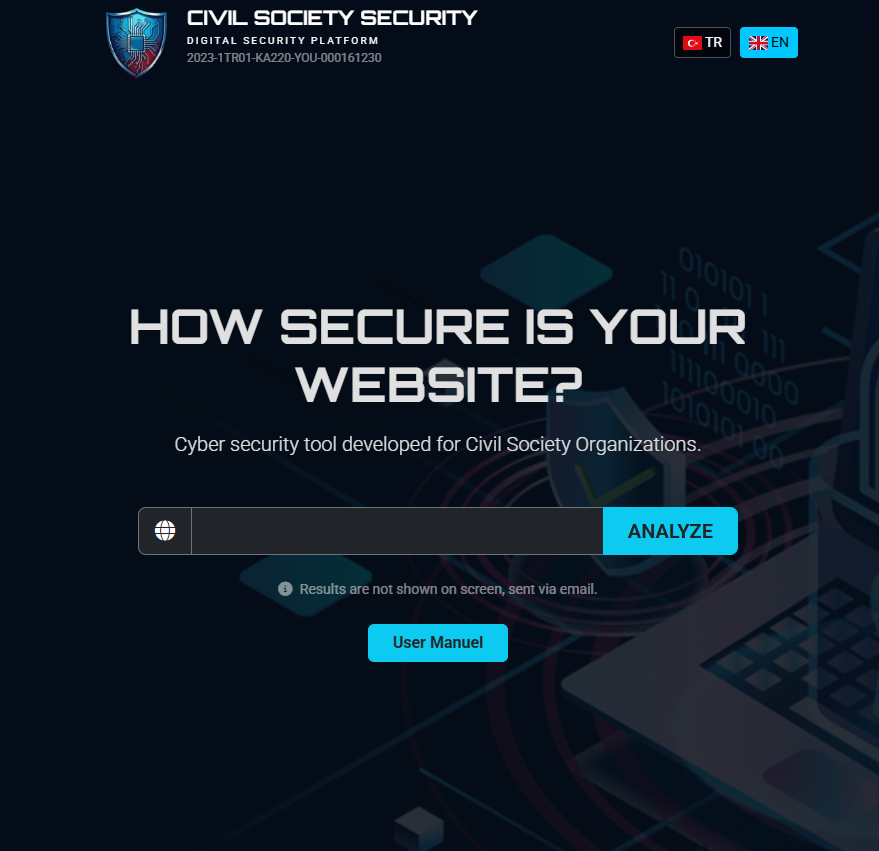
Within the scope of the project, Learning, Teaching and Training Activity III (LTT III) was successfully implemented in Skopje, North Macedonia, between 19–23 January 2026. The activity gathered youth workers, civil society professionals, trainers, and organizational representatives from partner countries to strengthen their capacities in digital security, ethical data management, and digital cooperation.
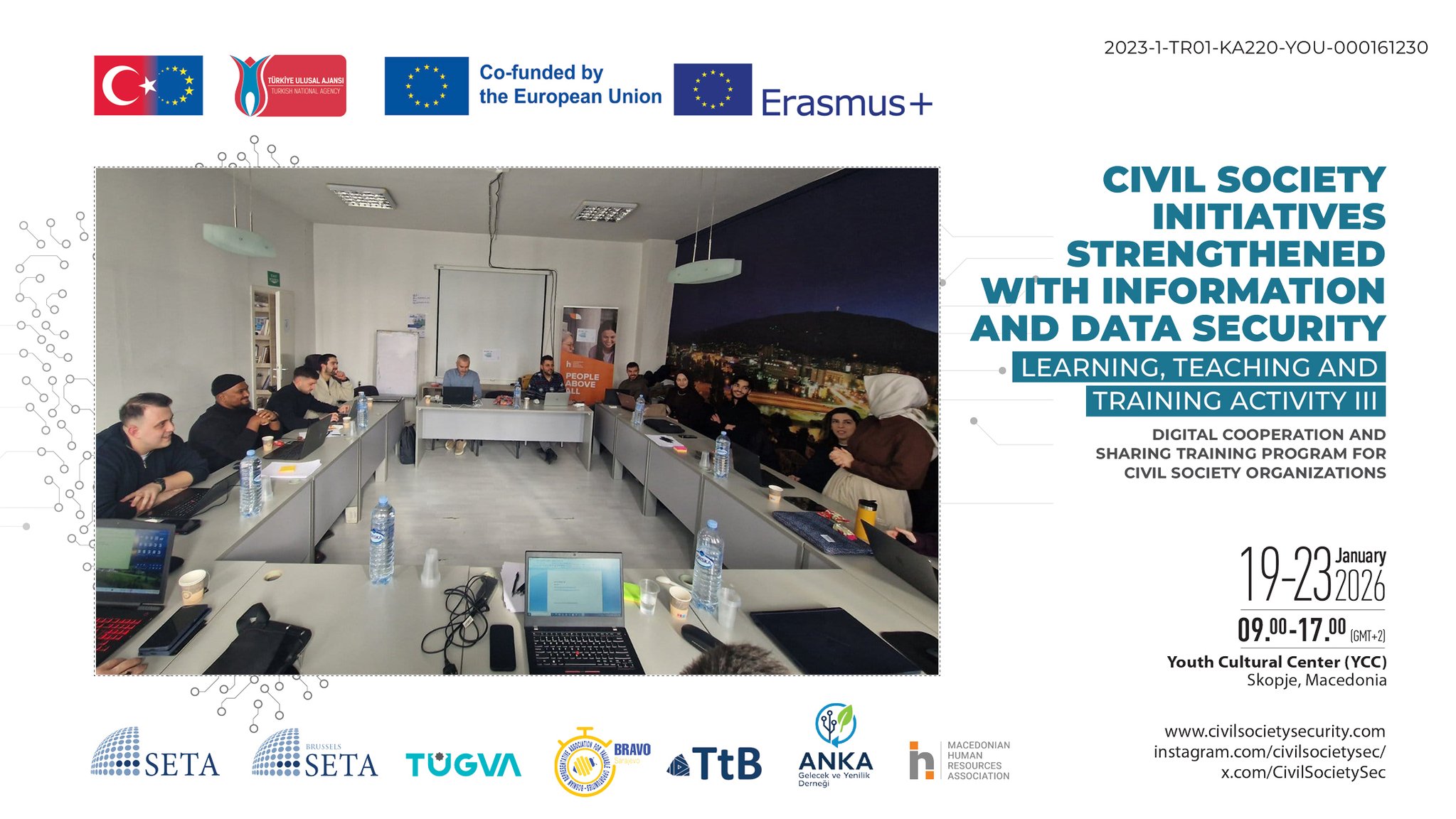
Throughout the five-day training program, participants engaged in interactive workshops, group exercises, and practical sessions focusing on both strategic and hands-on digital skills. The activity covered a wide range of topics including the Google Ecosystem for NGOs, Google Forms for data collection, digital hygiene and cybersecurity, digital reputation and crisis management, digital transformation frameworks, digital listening and monitoring, audience segmentation and persuasion, impact-oriented digital communication, social media platforms and algorithms, content strategy development, and the creation of digital assets.
In addition, participants received training on artificial intelligence and generative technologies, including AI fundamentals, prompt engineering, text-based AI tools, NotebookLM, generative media studios, and visual creation using the JSON prompt method. The final day of the activity focused on data visualization fundamentals, global and local examples of data visualization, practical workshops on working with data, and a review of project outputs and learning outcomes.
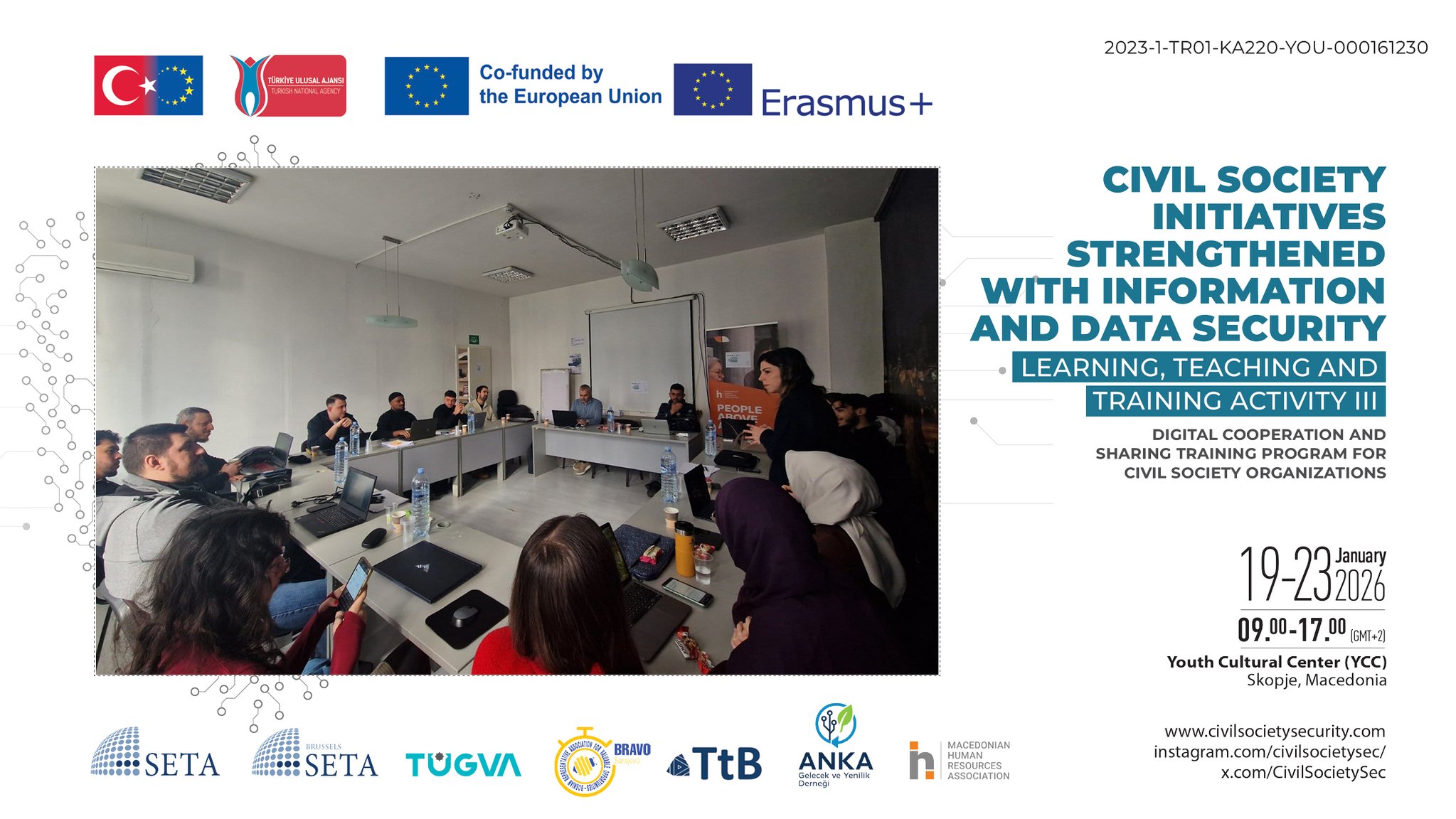
LTT III contributed to increasing participants’ awareness of information and data security, strengthening their digital literacy and cyber resilience, and enhancing their ability to cooperate safely in digital environments. The activity also fostered the exchange of good practices and strengthened cooperation among civil society organizations at the international level.
This activity was hosted by the Macedonian Human Resources Association (North Macedonia) and implemented with the participation of SETA (Türkiye), SETA Brussels (Belgium), TÜGVA (Türkiye), BRAVO (Bosnia and Herzegovina), TTB (Norway), and ANKA Association (Türkiye).
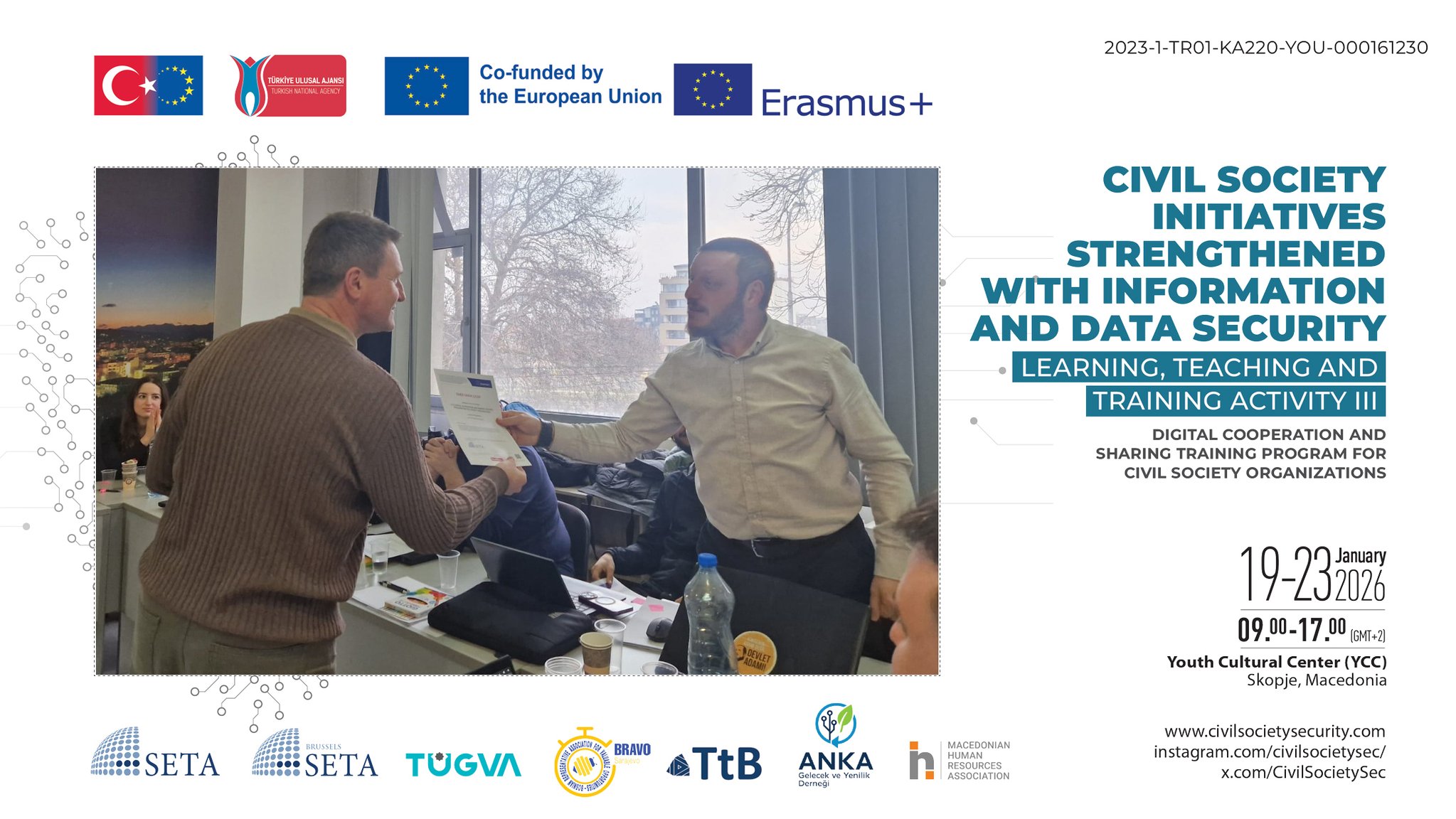
Materials of LTT III
The following training materials and learning outputs were developed and delivered by the trainer, Ali Selim Kara, within the scope of Learning, Teaching and Training Activity III (LTT III). These learning activities were designed to strengthen the digital competencies of participants, enhance their capacity to use information and data securely, and support the overall objectives of the project by fostering digital resilience, ethical data practices, and effective digital cooperation among civil society organizations. Through these trainings, participants gained practical knowledge and skills that contribute directly to the sustainability, impact, and digital transformation of their organizations.
Cloud Ecosystems for NGOs
Participants learned how to use Google Workspace tools (Drive, Docs, Sheets, Slides, Calendar, Meet) to create a structured digital office for their organizations, manage shared folders, collaborate in real time, and ensure that organizational data is securely stored and accessible to relevant team members.
Download by clicking the button below.
Digital Security
Participants learned core concepts of digital security, including confidentiality, integrity, and availability of data, and developed skills to protect devices and accounts through strong passwords, multi-factor authentication, software updates, and safe online behavior.
Download by clicking the button below.
Digital Reputation and Crisis Management
Participants learned how digital reputation is formed, how to monitor online risks, and how to prepare response strategies for misinformation, negative content, and digital crises in order to protect organizational credibility.
Download by clicking the button below.
Digital Listening and Monitoring
Participants learned how to monitor digital platforms, identify relevant keywords and hashtags, follow discussions related to their thematic field, and use monitoring results to improve communication and stakeholder engagement.
Download by clicking the button below.
Target Audience Segmentation
Participants learned how to identify stakeholders and target audiences, classify audiences into segments, and design communication approaches tailored to different groups.
Download by clicking the button below.
Digital Communication for NGOs
Participants learned how to design impact-oriented digital communication strategies that aim to create social change, strengthen community engagement, and support advocacy goals.
Download by clicking the button below.
Creating Contents with Social Media
Participants learned how to create different types of digital content (visuals, videos, carousels, stories, posts), select appropriate formats for platforms, and increase interaction and reach.
Download by clicking the button below.
Artificial Intelligence and Its Applications
Participants learned basic concepts of artificial intelligence, types of AI, and practical use areas of AI tools for text, image, and data-related tasks in civil society work.
Download by clicking the button below.
Basic Prompting Techniques
Participants learned how to frame problems clearly, define goals, provide context, and structure effective prompts to obtain more accurate and useful AI outputs.
Download by clicking the button below.
JSON Prompt Format
Participants learned how to use structured JSON-based prompts to generate consistent and high-quality visuals with AI tools.
Download by clicking the button below.
Data Visualization
Participants learned how to transform raw data into understandable visuals, choose appropriate chart types, and use data visualization to support advocacy, reporting, and decision-making.
Download by clicking the button below.